

Disney: A World in Dreams
In this week’s Odd School fiction breakdown, we take a deep dive into Walt Disney and how he changed the course of storytelling.

Over the last four essays we have taken a deep dive into fictional work and discussed the truths at the center of these stories. At Odd School, we believe in the power of fiction and its ability to capture, move, and teach. However, storytelling is increasingly molding into a form that waters it down. It has become a consumer good–something to be entertained by for a moment and then moved on from.
In this week’s Odd School fiction breakdown, we take a deep dive into Walt Disney and how he changed the course of storytelling.
Sub-Creation
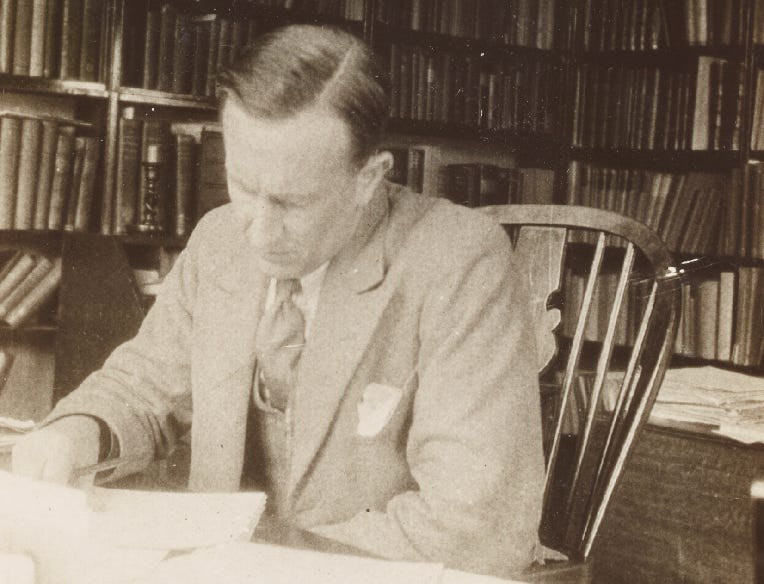
Before we unpack Disney and his approach, we need to discuss Tolkien’s idea of “sub-creation.” In this ideology Tolkien believes we have a call to create because we are born out of a creator. He describes himself as a “little maker,” creating worlds as part of God’s primary creation.
“...liberation ‘from the channels the creator is known to have used already’ is the fundamental function of ‘sub-creation’, a tribute to the infinity of His potential variety, one of the ways in which indeed it is exhibited…”
—J.R.R. Tolkien, Letter 153
Within this context, we become aware that we are called to create. Some create homes, careers, families, or even fictional worlds. The act of making becomes participation in a larger narrative in which we reflect the one who made us. However creating has become less about reflecting the light of whom we were created and more about sales. And what better way to sell than by selling dreams.
A Spoonful Of Joy
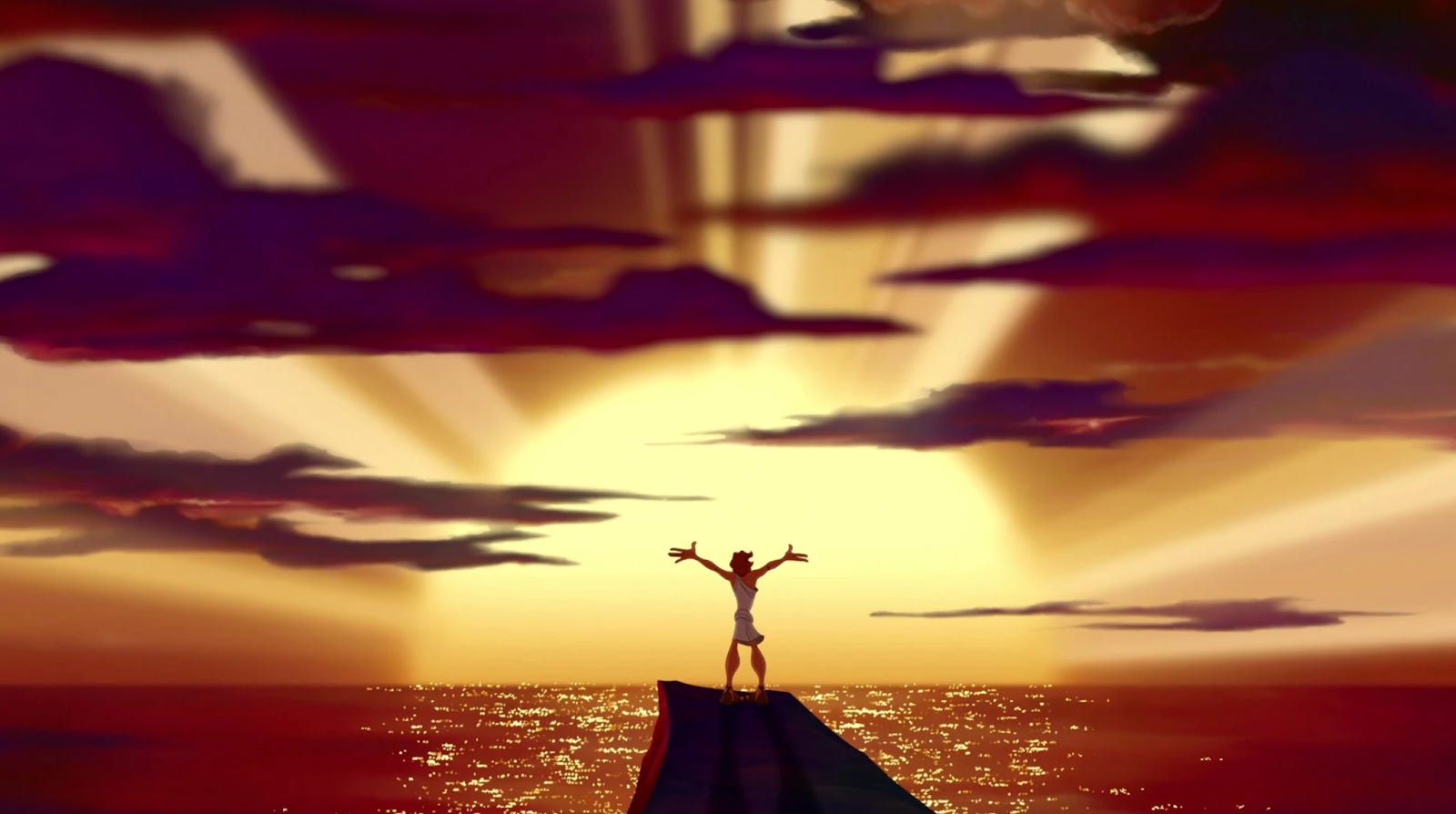
Who hasn’t been moved by the words “Go the Distance,” felt the joy of “Hakuna Matata,” or belted the lyrics “How Far I’ll Go”? Disney sold the idea of dreams: “First, think. Second, believe. Third, dream. And finally, dare.” In large part, this philosophy explains Disney’s success. We long to see worlds in which dreams become realities and where our own strength proves sufficient to conquer any darkness. Disney understood this human desire and delivered stories that easily and effectively delivered this feeling.
In this form of storytelling, we pull the heartstrings to create an emotional response as quickly and effectively as possible. Disney knew the easiest way to sell was by selling ideas of dreams. In his adaptations of older children’s literature, he removed sorrow and injected cute musical numbers and even cuter sidekicks. Creating stories that are utopias flowing with joy.
There is nothing wrong with joyful stories; however,when it becomes our main form of consuming entertainment, we cheapen our purpose as sub creators. How can true joy be realized without some understanding of the darkness it has overcome? To strip stories of pain is to strip them of a greater, more fully realized joy. Disney storytelling is often created with a dull blade still able to interact with us, but unlikely to pierce our souls, for they are not forged in the light of one who created us.
The Joy Effect
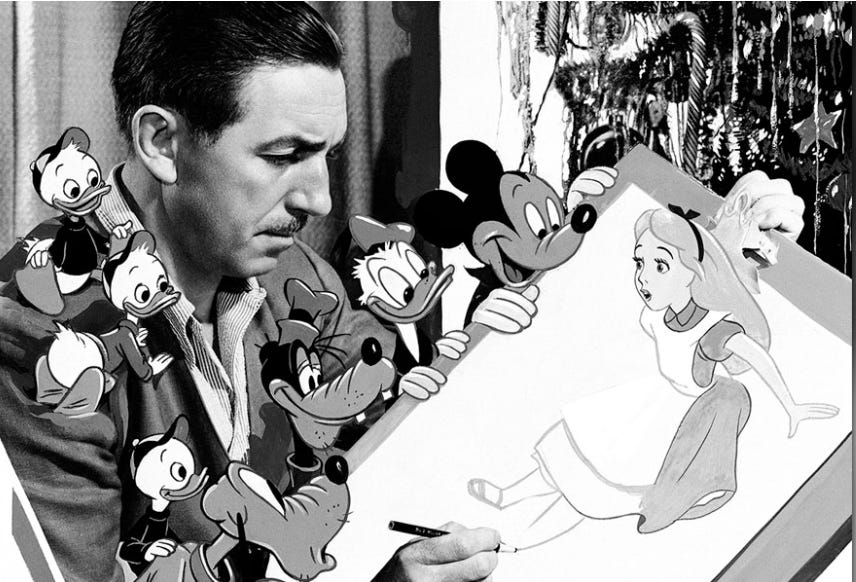
Tolkien’s theory of “sub-creation” viewed storytelling as a sacred act, one that mirrors divine creation by building coherent worlds governed by internal truth. Stories, in this sense, were not escapist distractions but meaningful explorations of reality through myth. Disney’s philosophy, by contrast, embraced accessibility and emotional immediacy. His stories were designed to be easily consumed, quickly understood, and universally pleasing. While this democratization of storytelling brought joy to millions, it also marked a shift away from narratives that demand patience, reflection, and moral engagement.
This shift reveals a broader cultural trend: entertainment for entertainment’s sake. When stories exist only to amuse, they risk losing their power to shape, challenge, or endure. Tolkien may have saw Disney more as warning, a glimpse of a future in which storytelling serves comfort rather than truth. In such a future, stories no longer ask us to struggle, to grow, or to confront difficult realities; instead, they offer fleeting pleasure and little else.
That future now feels familiar. Modern culture is increasingly drawn to easy, consumable joy. We favor five-second narratives, stories that demand nothing and leave nothing behind. We want dreams without responsibility, meaning without effort. In choosing this path, we trade the sharp, piercing blade of meaningful storytelling for a dull one, safe, comfortable, and incapable of cutting deep. Tolkien’s fears were not about Disney alone, but about what happens when we forget that stories are meant not only to entertain us, but to change us.
In the end Tolkien was right, not from the films Disney created but from the cultural shift in entertainment it created. These worlds were never meant to be dumbed down and stretched into infinity for the sake of easy consumption. Yet we have done so, and we continue to do so. Even the greatest stories are compressed and polished smooth until they no longer cut. Reading and watching have become mindless rituals, and we are no longer a people willing to be still long enough to be pierced.
A Truth Revealed
Not all is lost. It seems the secret formula for creating the next hit is still forged in the idea of “sub-creation.” With the abundance of new media to consume, it seems the only stories breaking through the noise are those where darkness is fully realized and the light that breaks through is shown ever more deeply.
To quote Tolkien one more time:
“The world is indeed full of peril, and in it there are many dark places; but still there is much that is fair, and though in all lands love is now mingled with grief, it grows perhaps the greater”
Odd school is committed to fictional story telling created with this idea of sub creation. We created this substack to shed light on good truthful stories. Whether created with the idea of “sub-creation” in mind or not, all good stories reflect the primary Creator.
We are developing our own stories in light of the creator who speaks through our creation. We believe that the best way to shape the next generation is by giving them stories in which they can feel sorrow, pain, death and experience the hero’s triumph over the darkest of places. That these stories might help inform them on the true truths, and from these fictional tales they grow ever truer.
Please follow to get next weeks essays as we dive deeper into this idea of “sub-creation”